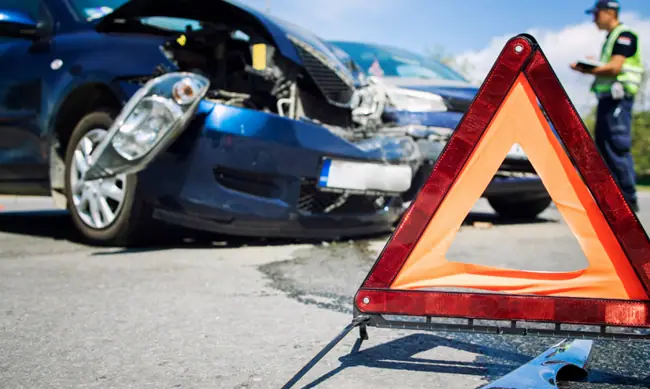
When you’re driving responsibly and suddenly hit a pothole, debris, or a poorly marked construction zone, it can lead to a serious accident—often without warning. These types of crashes can be especially frustrating because they aren’t caused by driver error but by conditions beyond your control. In these situations, you may wonder who can be held responsible, and more importantly, how you can recover your losses.
Many people are surprised to learn that claims against the government for road hazards are possible under certain conditions. These types of claims can be complicated and time-sensitive, but they’re an important option for drivers injured or harmed due to poor road maintenance or unsafe conditions.
What Qualifies as a Road Hazard?
A road hazard can take many forms. Some of the most common examples include:
- Large potholes or sinkholes
- Broken or missing traffic signs
- Poorly marked construction zones
- Loose gravel, uneven pavement, or shoulder drop-offs
- Ice or water buildup due to improper drainage
- Debris like fallen tree branches, tire fragments, or construction materials
If a hazardous condition directly causes your vehicle to lose control or contributes to a collision, there may be grounds for a legal claim—particularly if the hazard existed due to negligence or poor maintenance.
Who Could Be Liable?
Liability in road hazard accidents isn’t always clear-cut. It often depends on who had the duty to maintain or correct the unsafe condition and whether they failed in that duty.
Government Entities
In many cases, a city, county, or state agency is responsible for maintaining public roads. If a hazard was reported and ignored—or allowed to persist for an unreasonable amount of time—you may be able to file a claim against the appropriate government department. This can include departments of transportation or local public works offices.
Private Contractors or Construction Companies
If the hazard was caused by ongoing construction, a private company contracted to work on the roadway could be held responsible. For example, if traffic cones were missing, equipment was left in the road, or uneven pavement wasn’t properly marked, the construction company could be liable for damages.
Other Drivers
Sometimes, another motorist causes a hazard—like dropping unsecured cargo, leaving debris after a minor crash, or blowing a tire that results in dangerous road fragments. If you or law enforcement can identify the responsible driver, a claim against their insurance may be possible.
Challenges with Government Claims
Filing a claim against a government agency is very different from pursuing a standard insurance or injury claim. Most states have strict rules for suing public entities, including:
- Short deadlines to file a notice of claim (sometimes just 30–90 days after the incident)
- Caps on the amount of damages you can recover
- Immunity protections that may shield government agencies in certain situations
Because of these complexities, it’s critical to work with an attorney experienced in handling government liability cases.
How to Strengthen Your Case
If you’re in an accident caused by a road hazard, the steps you take immediately afterward can make a big difference:
- Call the police and report the incident so it’s officially documented
- Take detailed photos of the hazard and damage to your vehicle
- Get contact information from witnesses, if any
- Seek medical attention, even if injuries seem minor
- File a report with the relevant city or state department
These actions not only help with your insurance claim but also support a legal case if one is necessary.
Final Thoughts
Accidents caused by road hazards can lead to serious injuries, property damage, and long-term financial setbacks. While the path to compensation can be more complex—especially when public agencies are involved—it’s not out of reach.
If you’ve been injured due to unsafe road conditions, don’t wait. Contact a lawyer today to explore your legal options and learn how we can help you get the compensation you deserve.