
Phones rarely stop working all at once, and most of the time they give subtle warnings long before complete failure. Many people ignore these signs because the phone still turns on, even if daily use feels more frustrating than it used to. Understanding these signals early can help you avoid sudden data loss, missed calls, or emergency replacements. A calm, informed decision is always better than a rushed one. To help you judge your situation clearly, in this article, we explain the most reliable signs that a phone is reaching the end of its usable life.
The Battery Can’t Keep Up Anymore
Dies Quickly Even After a Full Charge
A battery that drains rapidly is often the first sign of an aging phone. You may notice that a full charge barely lasts through a morning of light use. Tasks like checking messages or browsing the web suddenly consume far more power than before. This happens because lithium batteries degrade chemically over time and lose capacity. When daily charging becomes a constant requirement, the battery is signaling its limits. You may also start carrying power banks or searching for outlets throughout the day. This constant anxiety around charging is a clear sign that the phone no longer fits normal daily routines.

Swells Up or Causes the Screen to Bulge
Battery swelling is a serious and visible warning sign. You might notice the screen lifting slightly or the back panel no longer sitting flat. This swelling is caused by gas buildup inside a failing battery. Continuing to use a phone in this condition can be unsafe and unpredictable. At this stage, replacement or retirement of the device becomes urgent rather than optional. Even mild swelling can worsen quickly without warning. For safety reasons, this issue should never be ignored or delayed.
Performance Becomes Unusable
Apps Crash or Freeze Constantly
Frequent app crashes are more than a minor annoyance. Even well-optimized apps can struggle when hardware and memory can no longer keep up. You may find yourself reopening the same app multiple times just to complete a simple task. These interruptions break daily routines and reduce productivity. When crashes become the norm rather than the exception, overall usability is clearly declining. Over time, this frustration can make you avoid using the phone altogether. A device that cannot run basic apps reliably is no longer dependable.
Basic Tasks Like Calling or Texting Lag
Phones are expected to handle basic communication without delay. If calls take several seconds to connect or messages fail to send smoothly, something is wrong. This lag often comes from an overworked processor or limited system resources. Even simple actions begin to feel unreliable and slow. When core phone functions suffer, the device is no longer meeting fundamental expectations. Missed calls and delayed messages can create real problems in work and family life. At this point, inconvenience turns into a practical disadvantage.
Software Support Has Ended
No More Security or OS Updates
Software updates are essential for security and stability. When a phone stops receiving updates, known vulnerabilities remain unpatched. This increases the risk of data theft, malware, and privacy breaches. Over time, the gap between supported and unsupported devices widens significantly. A phone without updates is increasingly exposed, even if it appears to work fine. Everyday activities like online payments become riskier. Long-term use without updates slowly turns convenience into liability.
Key Apps No Longer Work or Update
App developers eventually stop supporting older systems. You may notice that important apps refuse to install updates or stop working altogether. Features disappear, performance worsens, or compatibility errors appear. This affects everyday needs such as banking, navigation, or work-related tools. Once essential apps fail, the phone’s usefulness drops sharply. You may be forced to rely on slower web versions or secondary devices. These workarounds signal that the phone is falling behind modern requirements.
Repair Costs More Than Replacement
Multiple Parts Are Failing at Once
Aging phones often experience multiple failures close together. The battery weakens, buttons stop responding, speakers distort, and sensors become unreliable. Fixing one issue may reveal another waiting behind it. This pattern indicates overall wear rather than a single defect. When problems stack up, repairs become less practical. Each repair also increases the chance of future failures. At some point, maintenance turns into an endless cycle.
The Repair Quote is Too High
Repair costs can quickly approach the value of the phone itself. A new screen, battery, and internal repair combined can be surprisingly expensive. Spending heavily on an old device rarely improves long-term reliability. In many cases, the repaired phone still lacks software support and modern efficiency. High repair quotes are often a clear signal to move on. Money spent on repairs could instead go toward a longer-lasting solution. This financial comparison helps clarify the smarter choice.
Conclusion
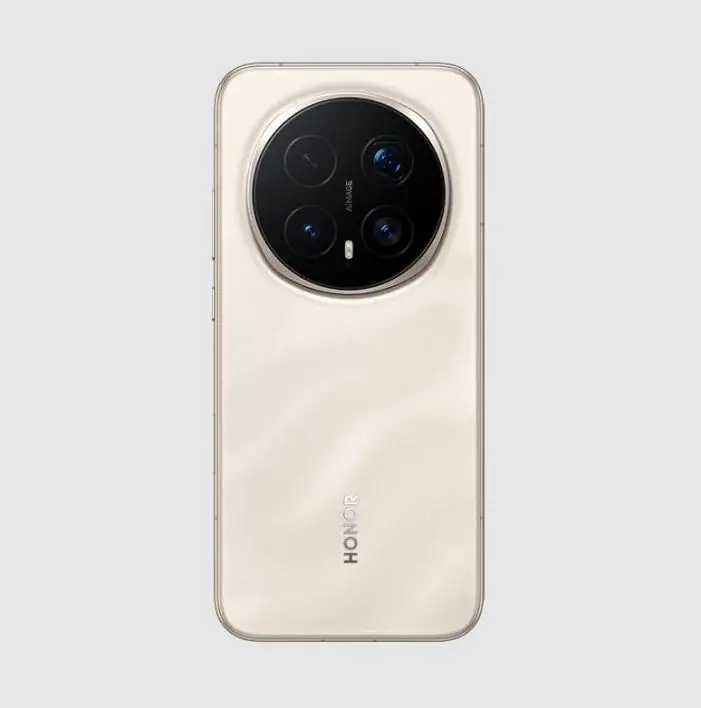
Recognizing the end-of-life signs early gives you control over your next step. Instead of waiting for sudden failure, you can plan your transition calmly and protect your data. A phone that struggles with battery life, performance, software support, and repair costs is no longer serving your daily needs well. For users ready to move forward, choosing to buy HONOR Magic 8 Pro can be a practical way to regain reliability, performance, and peace of mind without last-minute stress. Planning ahead ensures your phone supports your life, rather than becoming another source of frustration.