
Houston is a bustling city known for its diverse culture, thriving economy, and sprawling urban landscape. With busy highways, varying traffic conditions, and a mix of residential and commercial areas, the city keeps its residents constantly on the move. Its hot summers, occasional heavy rains, and year-round activity make reliable transportation an essential part of daily life.
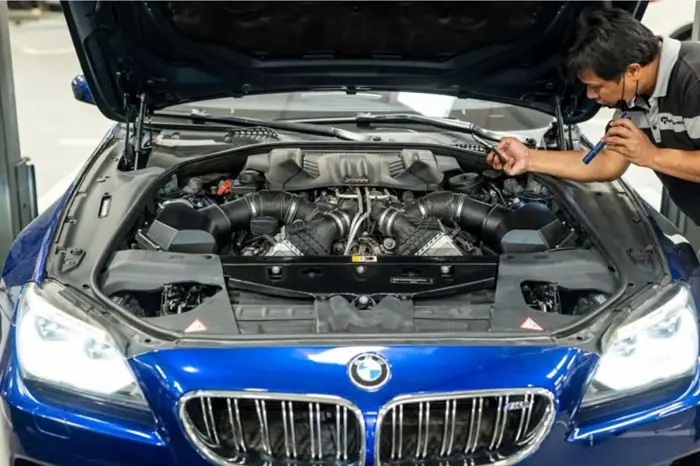
For car owners, keeping vehicles in top condition is especially important to ensure safety and performance. Regular checkups and maintenance help prevent unexpected issues and extend a vehicle’s lifespan. Scheduling professional BMW repair in Houston, TX, at appropriate intervals ensures that your car receives expert care, timely inspections, and repairs, keeping it running smoothly despite the city’s demanding driving conditions.
What a BMW Inspection Usually Covers
A standard inspection covers essential parts like engine oil, filters, brakes, coolant, and tire condition. These checks help identify small issues before they turn into costly repairs. Many technicians also review suspension parts, belts, and electrical systems to ensure the vehicle stays reliable.
How Weather and Roads Affect How Often You Service Your BMW
Houston has hot weather and heavy city traffic, which can put extra stress on a BMW’s engine and cooling system. Drivers often face stop-and-go conditions and long commutes, which may require more frequent attention. Many owners in the area schedule service slightly earlier than the general recommendation to protect the vehicle from heat-related wear.
When to Get Minor Repairs vs. Major Repairs
Minor repairs are usually needed when you notice early signs of wear. These include squeaky brakes, dim headlights, or fluid stains under the car. Major repairs often involve engine parts, transmission components, or advanced electronics. Warning lights should be inspected right away, since they can signal underlying problems that need immediate attention.
What Mileage Intervals Matter Most for BMW Maintenance?
Many BMW models follow mileage-based checks that help owners stay on track:
- Every 5,000–7,000 miles: Oil change, fluid check, tire inspection.
- Every 15,000 miles: Cabin filter replacement and brake system review.
- Every 30,000 miles: Engine air filter replacement and spark plug inspection.
- Every 60,000 miles: Comprehensive review of drivetrain parts.
These ranges are based on general guidance and can shift depending on how often you drive in hot climates or on rough roads. Proper vehicle maintenance can boost fuel efficiency and help prevent costly repairs over time.
What are the Signs You Shouldn’t Wait for the Next Scheduled Service?
Some signals mean a repair or inspection is needed right away. These include:
- Sudden drops in engine power
- Strange sounds from under the hood
- Strong burning smells
- Warning lights that stay on
- Rough shifting or delayed acceleration
Catching these early keeps the car safe and prevents unexpected breakdowns.
How Do Driving Habits Affect BMW Service Frequency?
Short trips, aggressive driving, and frequent idling can make parts wear faster. Cars driven mostly in the city often need servicing sooner than those used on highways. Weather also plays a role, especially in areas with high heat or humidity. Keeping a simple log of mileage and BMW repair dates helps track when the next check is due.
Key Takeaways
- Most BMW models need inspections every 6 months or 5,000–7,000 miles.
- Houston’s climate and traffic may require more frequent checks.
- Follow mileage-based intervals for better engine and brake performance.
- Watch for early signs like warning lights, odd sounds, or leaks.
- Good driving habits help reduce unexpected repairs.